Gum Arabic Processing in Nigeria: Complete Guide for Export & Profit
Introduction
Gum Arabic is one of Nigeria’s most valuable non-oil export commodities, widely used in food, pharmaceuticals, cosmetics, and industrial production. Extracted naturally from Acacia trees, this product offers a huge opportunity for agro-processors and exporters looking to earn foreign exchange.
Nigeria is among the top producers globally, with thousands of farmers and traders involved in the value chain across northern states.
What is Gum Arabic?
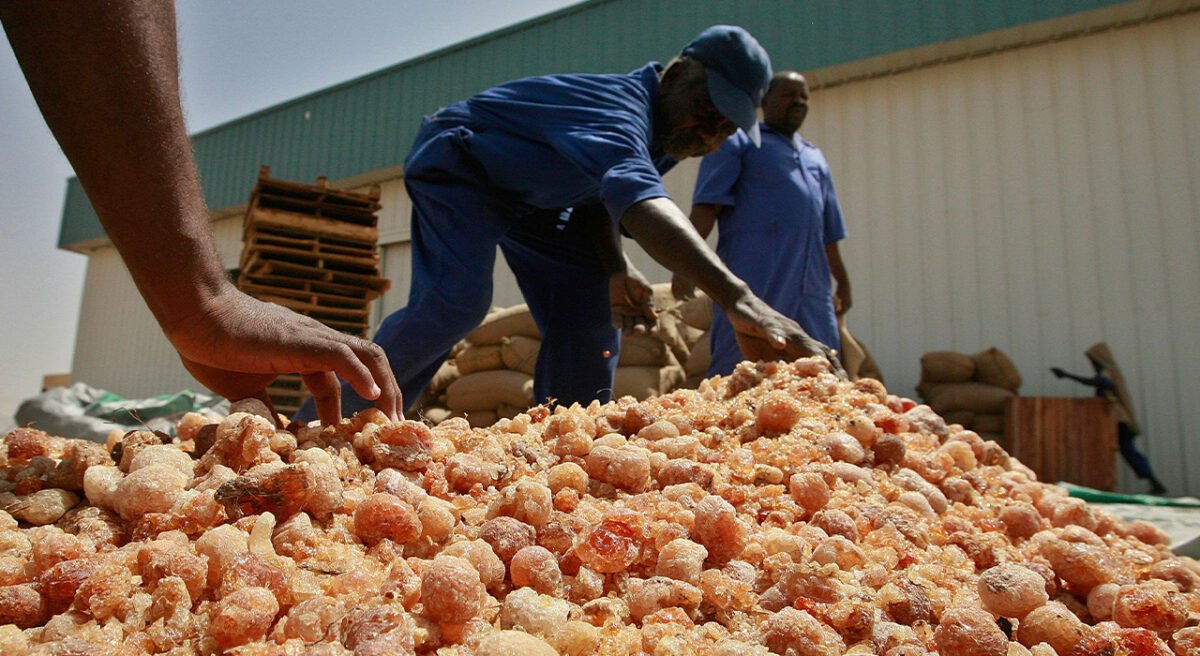
Gum Arabic is a natural dried sap obtained from Acacia trees, especially Acacia senegal and Acacia seyal. It forms when the tree is tapped and the sap dries into solid lumps.
It is widely used as:
- A stabilizer in food products
- A binder in pharmaceuticals
- A thickener in beverages
- A raw material in textiles, paints, and cosmetics
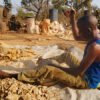
Image: Raw Gum Arabic Lumps
Major Gum Arabic Producing Areas in Nigeria
Gum Arabic is mainly produced in the Sahel and semi-arid regions of Nigeria, including:
- Borno
- Yobe
- Jigawa
- Bauchi
- Gombe
- Adamawa
- Sokoto
- Katsina
These regions provide the ideal climate for Acacia trees to thrive.
Step-by-Step Gum Arabic Processing in Nigeria
Processing gum Arabic transforms raw lumps into high-quality export-grade products.
1. Harvesting (Tapping)
Farmers make incisions on the tree bark during the dry season. The sap flows out and hardens into lumps after a few days.
2. Cleaning
The raw gum is cleaned to remove sand, bark, and impurities.
3. Sorting & Grading
The gum is sorted by:
- Color
- Size
- Purity
Higher grades fetch better export prices.
4. Crushing
Large lumps are broken into smaller granules for easier processing.
5. Dissolving
The crushed gum is dissolved in water to form a solution.
6. Filtration & Clarification
Impurities are removed through filtration or centrifugation to achieve high purity.
7. Drying
The purified gum is dried using:
- Sun drying (small scale)
- Spray drying (industrial scale)
8. Milling
Dried gum is milled into powder or granules depending on market demand.
9. Packaging
Final products are packaged in:
- Bags
- Drums
- Food-grade containers
Image: Gum Arabic Processing Flow
Processing Methods
1. Precipitation Method
- Cleaning → Crushing → Dissolving → Precipitation → Drying → Milling
- Produces powdered gum with high purity
2. Spray Drying Method
- Dissolving → Filtration → Pasteurization → Spray drying
- Produces premium food-grade gum powder
Uses of Processed Gum Arabic
Gum Arabic has wide industrial applications:
- Food industry (ice cream, soft drinks, confectionery)
- Pharmaceutical industry (tablets, syrups)
- Cosmetics and skincare
- Printing and textiles
- Paints and adhesives
Business Opportunities in Nigeria
Gum Arabic processing is a highly profitable agribusiness because:
- Strong global demand
- High export value
- Low raw material cost
- Growing industrial usage
Experts project that optimizing gum Arabic production can generate significant foreign exchange for Nigeria.
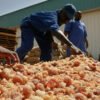
Image: Export Packaging & Shipping
Challenges in Gum Arabic Processing
- Poor processing equipment
- Lack of quality control
- Limited access to export markets
- Inconsistent supply chain
Conclusion
Gum Arabic processing in Nigeria is a powerful opportunity for entrepreneurs in agro-processing and export. With proper knowledge, quality control, and access to international buyers, this business can generate consistent income and foreign exchange.
If you’re looking to start an export business, gum Arabic is one of the best commodities to consider.
Call to Action
👉 Want a step-by-step export guide with buyers, pricing, and documentation?
Check out our Gum Arabic Export Guide and start your export journey today!