Processing of Cocoa Powder from Farm to Export
Nigeria is one of Africa’s leading producers of cocoa, making it a strong player in the global cocoa value chain. Beyond exporting raw cocoa beans, there is a growing opportunity in processing cocoa into powder and exporting it as a value-added product to international markets.
This guide walks you through the journey—from cocoa farm to processing, packaging, and export-ready cocoa powder.
🌱 Cocoa Farming in Nigeria
Cocoa is mainly grown in the southern regions of Nigeria, where the climate supports its growth. States like Ondo, Cross River, Ogun, and Osun are known for large cocoa production.
Cocoa trees produce pods that contain cocoa beans. These beans are the raw material used to produce cocoa powder, butter, and chocolate.
🌾 From Cocoa Pods to Dried Beans
Before processing into powder, cocoa beans go through several important stages:
1. Harvesting
Ripe cocoa pods are cut from the trees using knives or cutlasses.
2. Fermentation
Beans are removed from pods and fermented for 5–7 days. This step develops the chocolate flavor and reduces bitterness.
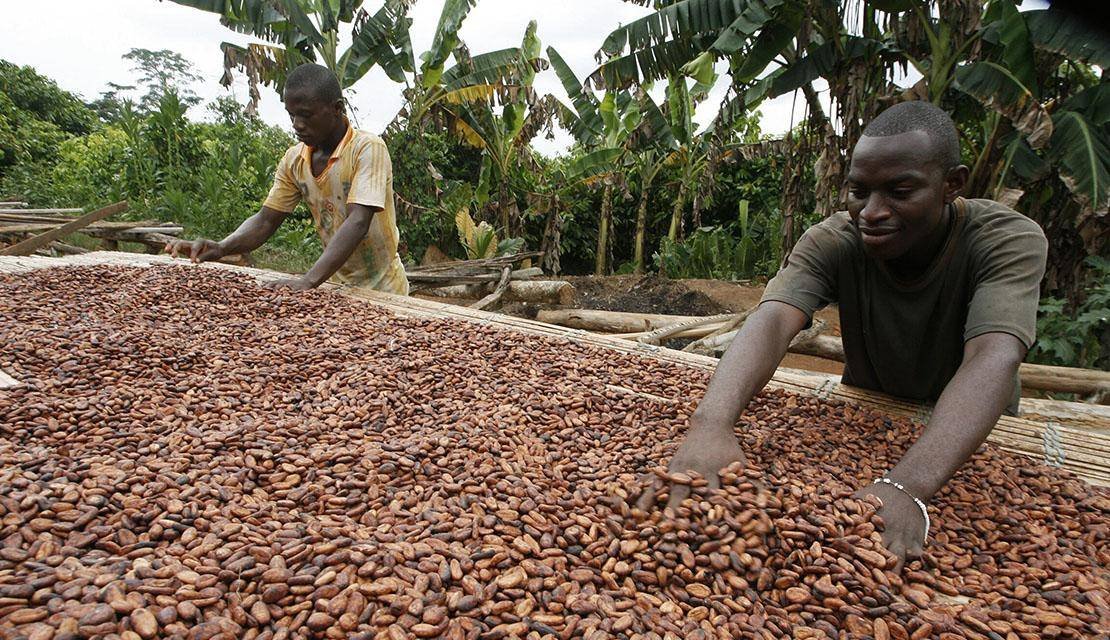
3. Drying
Fermented beans are dried under the sun for several days until moisture is reduced.
4. Cleaning and Sorting
Beans are cleaned to remove stones, dirt, and defective seeds.
⚙️ Processing Cocoa Beans into Cocoa Powder
Turning cocoa beans into powder involves industrial or semi-mechanized processes:
1. Roasting
Cocoa beans are roasted to enhance flavor and aroma.
2. Winnowing
The outer shells are removed, leaving cocoa nibs.
3. Grinding
Nibs are ground into cocoa liquor (a thick paste).
4. Pressing
The cocoa liquor is pressed to separate:
- Cocoa butter
- Cocoa cake
5. Pulverizing
The cocoa cake is crushed into fine cocoa powder.
🧪 Quality Control for Export
Export-quality cocoa powder must meet strict standards:
- Fine texture (smooth powder)
- Low moisture content
- No contamination
- Rich natural cocoa aroma
- Proper color (light to dark brown depending on processing)
Consistency is key when dealing with international buyers.
📦 Packaging Cocoa Powder for Export
Proper packaging ensures product safety and market acceptance.
Recommended Packaging:
- Food-grade sealed bags (inner lining)
- Kraft paper bags with polyethylene lining
- Airtight plastic containers (for small quantities)
Packaging Guidelines:
- Use moisture-proof materials
- Seal tightly to prevent contamination
- Label clearly with:
- Product name
- Net weight
- Country of origin (Nigeria)
- Batch number
- Production & expiry dates
🚢 Exporting Cocoa Powder from Nigeria
To export cocoa powder successfully, you must comply with regulations.
Required Documents:
- CAC Business Registration
- Export License (NEPC)
- NAFDAC Certification
- Phytosanitary Certificate
- Certificate of Origin
Shipping Options:
- Sea Freight – best for bulk export
- Air Freight – suitable for smaller, urgent shipments
🌍 International Demand for Cocoa Powder
Cocoa powder is widely used in:
- Chocolate production
- Beverages
- Bakery products
- Cosmetics
Top importing regions include:
- Europe
- North America
- Asia
- Middle East
Nigeria’s cocoa has a strong reputation, making it easier to access these markets with quality products.
💰 Profit Potential
Processing cocoa into powder increases value significantly compared to exporting raw beans.
Benefits include:
- Higher profit margins
- Strong global demand
- Longer shelf life
- Branding opportunities
⚠️ Challenges to Consider
- Access to processing equipment
- Maintaining consistent quality
- Meeting international standards
- Logistics and export delays
With proper planning, these challenges can be minimized.
📈 Tips for Success
- Invest in good processing equipment
- Maintain strict hygiene standards
- Focus on branding and packaging
- Build relationships with international buyers
- Start small and scale gradually
✅ Conclusion
Processing cocoa powder from farm to export-ready product is a highly profitable agribusiness opportunity in Nigeria. By adding value through proper processing and packaging, exporters can tap into global markets and build sustainable income streams.
From cocoa farms to international shelves, the journey is achievable—with the right knowledge, strategy, and commitment.