Processing of Palm Oil and Export from Nigeria: From Farm to International Market
Palm oil is one of Nigeria’s most valuable agricultural commodities, widely used in food production, cosmetics, and industrial applications across the globe. With proper processing and packaging, Nigerian palm oil can compete in international markets and generate significant income for small and large-scale exporters alike.
🌴 Palm Oil Production in Nigeria
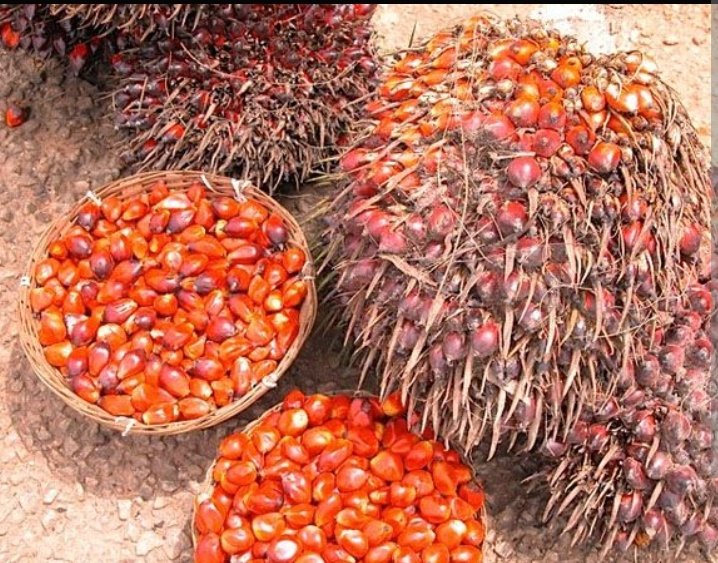
Nigeria is one of the largest producers of palm oil in Africa, with millions of smallholder farmers involved in oil palm cultivation. The oil palm tree produces fresh fruit bunches (FFBs), which are harvested and processed into crude palm oil.
Palm oil is valued for its:
- Rich red color (due to carotenoids)
- High nutritional content
- Long shelf life
- Versatility in cooking and manufacturing
⚙️ Step-by-Step Processing of Palm Oil
To meet export standards, palm oil must be processed carefully to ensure purity, hygiene, and quality.
1. Harvesting Fresh Fruit Bunches (FFBs)
Oil palm fruits are harvested when ripe. Timely harvesting is important to maintain oil quality and reduce free fatty acid levels.
2. Sterilization
The fruit bunches are steamed or boiled to:
- Loosen the fruits from the bunch
- Stop enzyme activity that increases acidity
3. Threshing
Fruits are separated from the bunch stalks manually or using machines.
4. Digestion and Pressing
The fruits are mashed and pressed to extract crude palm oil.
5. Clarification
The extracted oil is filtered and separated from water and impurities. This step ensures cleaner, export-grade oil.
6. Drying and Storage
The oil is heated gently to remove moisture before storage in clean containers.
📦 Packaging Palm Oil for Export
Proper packaging is critical when exporting palm oil internationally. Buyers demand products that are safe, clean, and well-presented.
Recommended Packaging Options:
- Food-grade plastic containers (5L, 10L, 25L)
- Metal drums (for bulk export)
- Jerry cans with sealed caps
Packaging Tips:
- Use airtight, leak-proof containers
- Label clearly (product name, origin, weight, production date)
- Ensure no contamination or water content
- Maintain consistent color and quality
🚢 Exporting Palm Oil from Nigeria
Exporting palm oil requires compliance with both Nigerian and international regulations.
Key Requirements:
- Business registration (CAC)
- Export license (NEPC)
- NAFDAC certification (for processed food products)
- Phytosanitary certificate
- Quality inspection
Shipping Methods:
- Sea freight – best for large quantities
- Air freight – faster, used for smaller shipments
🌍 International Demand for Nigerian Palm Oil
Nigerian palm oil is in high demand in:
- United Kingdom
- United States
- Canada
- Europe
- Middle East
The African diaspora and international food industries rely heavily on imported palm oil, creating a consistent market for exporters.
💰 Profit Potential
Palm oil export is highly profitable due to:
- Low local production cost
- High global demand
- Long shelf life (reduces losses)
- Opportunity for bulk sales
With good quality control and reliable buyers, exporters can scale quickly and build sustainable income.
⚠️ Challenges to Watch Out For
- Quality inconsistency
- Poor packaging leading to leakage
- Regulatory delays
- Transportation issues
Addressing these challenges early will help build trust with international buyers.
📈 Tips for Successful Palm Oil Export
- Focus on cleanliness and quality control
- Build strong relationships with local producers
- Invest in proper packaging materials
- Understand your target market requirements
- Start small and scale gradually
✅ Conclusion
Processing and exporting palm oil from Nigeria is a lucrative business opportunity for entrepreneurs willing to follow the right steps. From harvesting to packaging and shipping, each stage plays a crucial role in delivering a high-quality product to international buyers.
With Nigeria’s abundant palm resources and growing global demand, the export market remains open for serious and strategic players.